At Input I've worked across the whole lifecycle with founders, from branding, to product design & marketing sites, to building and launching products. My own site was a chance to take what I'd learned and apply it to something entirely mine.
The identity
Before designing anything, I filled out a brand survey. I wanted to know what the portfolio should say before I made a single decision about how it looked. I pulled my 6-month career reflections and some past work to help shape it, and what came out was fairly simple: range across the product lifecycle, judgment under real constraints, a bias toward evidence.
My background already tells the technical side of that story. What it doesn't tell is the part I care about just as much: understanding people, working well with a team, and being creative.
I did some research by looking at other people's portfolios for inspiration, but I wanted this site to feel like me. I didn't want to use stock images or have a stark black & white website, but I did want to introduce some colour and personality.
The look
I like to craft in my spare time, and it turned out that's what I was drawn to in other people's sites too, an illustrative style, and artists like Matisse. So I leaned warm and a little handmade, and kept the site itself clean underneath. I drew some shapes, photographed them, and turned them into vectors.
The wobble is real.
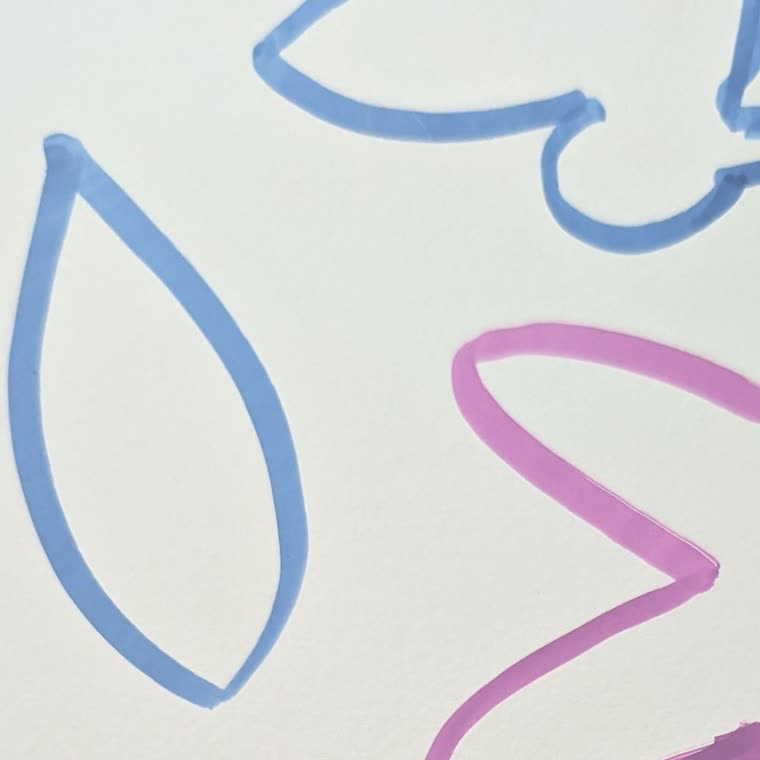
Throwing some shapes
Then the small stuff, which is my favourite part of design: the micro-interactions, the moments of joy. I built a design system to keep things consistent, then simplified it when it got too complicated. I rewrote copy. I added details that made the whole thing feel finished, and a bit more fun.
Design system
The build
I mostly treated this like a normal project where I owned the product and vision, and orchestrated the team to deliver. Claude did most of the engineering heavy lifting, with a lot of back and forth as I reviewed what it built, changed direction, and caught the things that weren't working. ChatGPT helped me work through ideas and refine copy. And I had each of them review the other's work.
The tools were different, but the process was pretty familiar: scope it, make something, use it, test it, and iterate.
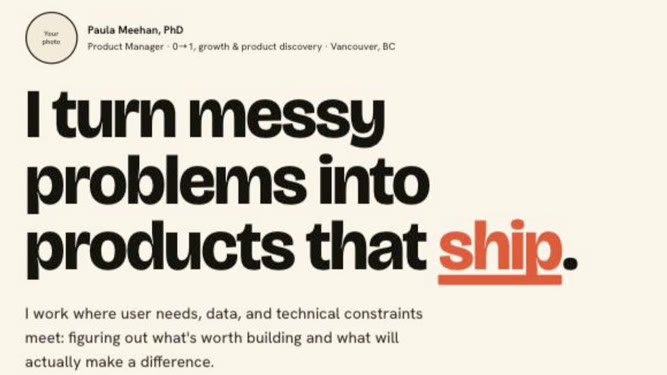
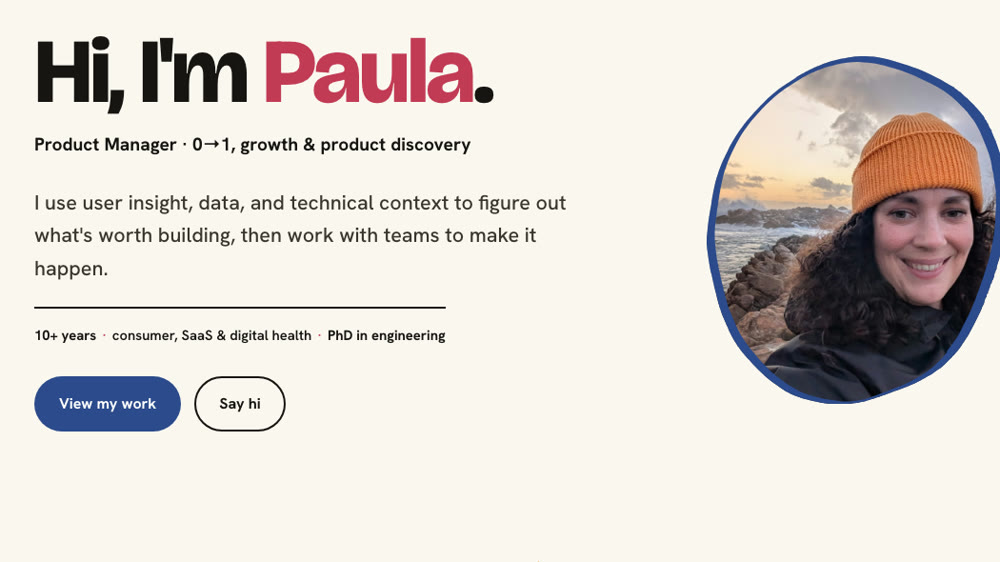
What was new was everything around the edges. I figured out how to use more of GitHub rather than just reviewing PRs, deployed the site through Vercel, connected a domain, and set up an email address that routes into my regular inbox. AI took on some of the less visible parts too, adding analytics, clean URLs, SEO and metadata, and a contact button that doesn't expose my email address to scrapers.
I make things in my spare time. This one just happened to be a website.